Top Luxury Hotels in Greece for the Conscious Traveller
The top luxury hotels in Greece worth booking are not simply those with the most opulent interiors or the longest pool. They are the properties that combine exceptional hospitality with a genuine relationship to the landscape, culture, and communities of the extraordinary place they call home. In Greece, where the natural environment and the human traditions that have shaped it are inseparable, that distinction matters more than anywhere.
The Greece Behind the Postcard
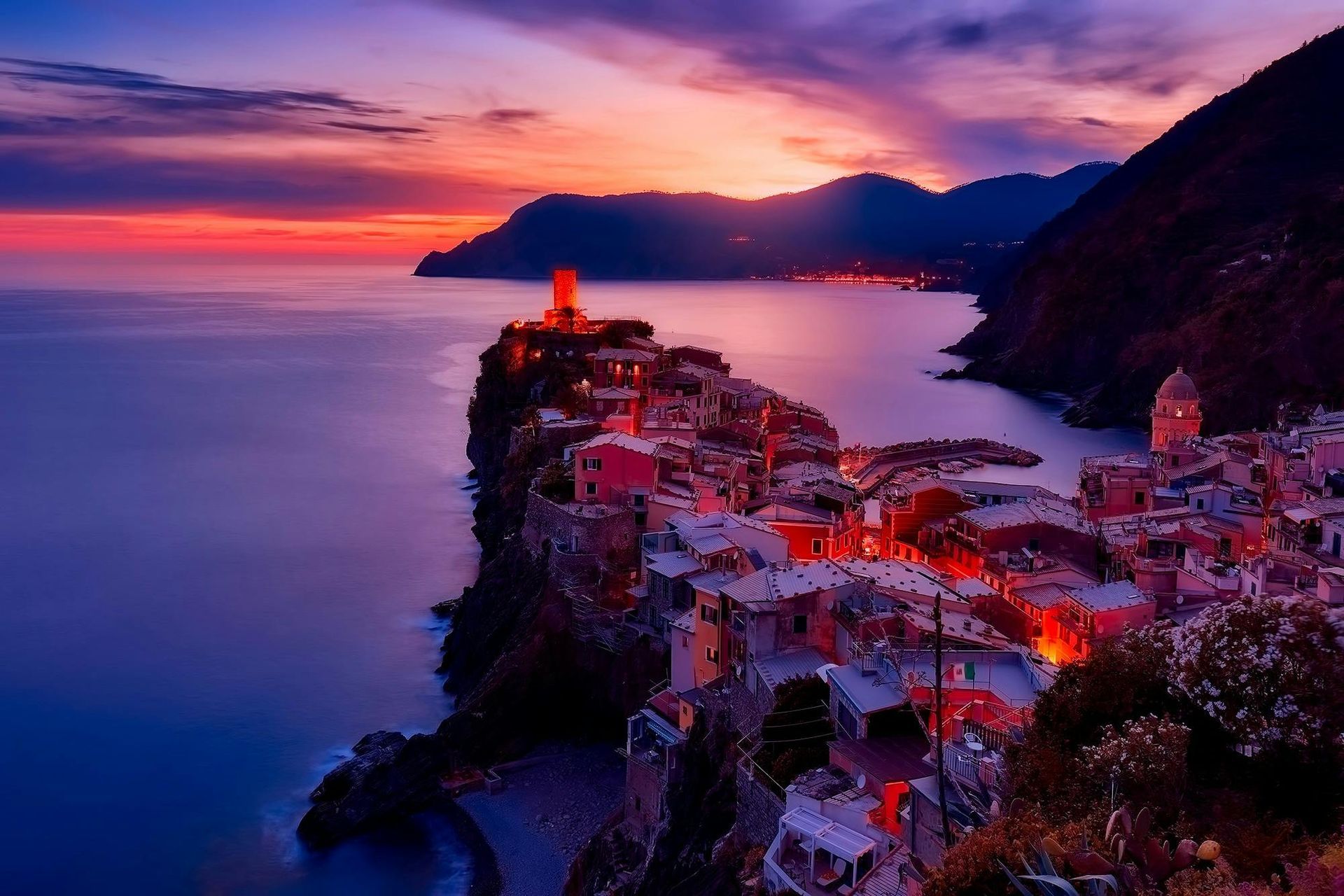
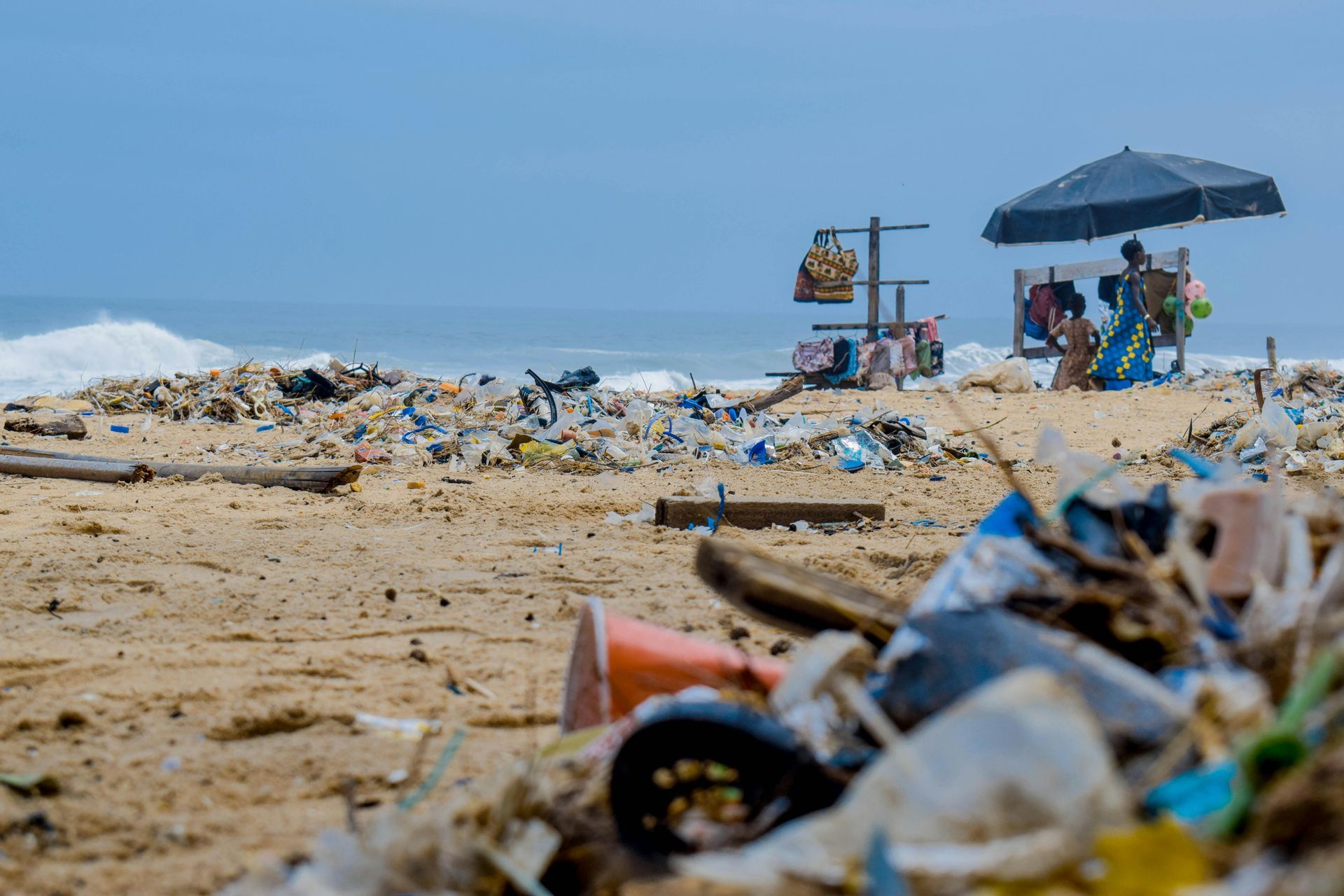
The Greek Islands, with their dazzling waters, sun-bleached villages, and ancient olive groves, have long enchanted travellers. Yet behind the idyllic images lies a more complex reality. Mass tourism has placed significant pressure on fragile ecosystems and changed the character of some island communities.
Still, there is a quiet shift underway. Across the archipelago, islands, communities, and hoteliers are striving for something better: returning to traditional practices, investing in renewable energy, protecting natural landscapes, and building a model of tourism that gives as much as it takes.
As travellers, we have a genuine opportunity to be part of this shift. The top luxury hotels in Greece that A'ARU recommends are those where beauty and integrity are not in competition. Where staying well also means staying responsibly.
Sustainable Practices Shaping the Best Greek Island Experiences
Sustainability is not yet widespread across the Greek Islands, and challenges remain. Yet there are remarkable bright spots worth knowing about, because the islands that are leading the change are also, often, the most interesting places to visit.
Tilos is moving towards becoming a zero-waste island powered entirely by renewable energy, an ambition that has reshaped the community around it.
Astypalea is pioneering electric mobility as part of a green transition, transforming how residents and visitors move around the island.
Alonissos established the National Marine Park, one of Europe's largest, protecting rare marine life, and became the first Greek island to ban all single-use plastics.
Donousa, a tiny Cycladic island, has launched the grassroots Just Go Zero initiative, tackling waste through composting and recycling and offering a model of circular living in one of the most remote places in the Aegean.
In quieter ways, farmers, craftspeople, and hoteliers across the islands are embracing lower-impact practices rooted in age-old tradition. When planning a trip, it is important to recognise that not every island, hotel, or business will be perfect. But many are genuinely on the journey, and by supporting them, we help tip the balance towards something more regenerative.
Top Eco-Friendly Accommodations
Authentic, sustainable places to stay are growing in number across Greece, though they sometimes take a little extra searching to find. These properties truly embrace sustainability, blending low-impact design with deep respect for their surroundings. They are, in A'ARU's view, the top luxury hotels in Greece for the traveller who wants both the beauty and the integrity.
Aristi Mountain Resort, Zagori, Epirus Located within the stunning Vikos-Aoos National Park in the northwest of mainland Greece, Aristi has earned Green Key certification and actively supports conservation efforts in one of Europe's most dramatic mountain landscapes. Built with local stone and wood, the resort showcases how sustainability and authenticity reinforce rather than compromise each other. The hospitality is warm, personal, and rooted in the traditions of the Zagori region. For travellers who want to discover a Greece entirely beyond the islands, Aristi is the natural starting point.
Montanema Handmade Village, Agrafa Mountains, Thessaly Hidden in the Agrafa mountains of mainland Greece, Montanema is a living example of handcrafted Greek tradition. Built by local artisans using natural materials, the village runs on renewable energy and champions zero-waste practices throughout its operation. It is a soulful pre- or post-island destination for travellers seeking a deeper connection to a Greece that most visitors never encounter. The sense of place here is extraordinary and entirely earned.
Gundari, Folegandros Perched on a rugged clifftop on one of the Cyclades' most beautifully unspoiled islands, Gundari redefines what luxury can mean in this context. Native landscaping, water-saving systems, and a commitment to sourcing produce locally allow the property to fit seamlessly into Folegandros' dramatic landscape. Privacy, genuine beauty, and environmental sensitivity exist here in equal measure. Folegandros itself, quieter and more characterful than its more famous Cycladic neighbours, is the right island for those who find Santorini overwhelming.
Phaea Blue Collection, Crete With a strong commitment to local culture and community-led initiatives, Phaea's boutique hotels including the beautiful Cretan Malia Park blend understated luxury with organic gardens, energy conservation, and authentic cultural experiences rooted in the rhythms of Cretan life. Crete is the island that rewards the longest stays: its landscape, history, food culture, and coastline have a depth that shorter visits barely touch. Phaea's properties are the right base for that kind of immersive, thoughtful exploration.
By choosing places like these, travellers support a different model of tourism: one that preserves, respects, and regenerates rather than extracts.
Responsible Activities and Attractions
The most rewarding experiences across the Greek Islands often have sustainability at their heart: Hiking ancient footpaths, snorkelling in marine reserves, learning traditional crafts, or joining slow food workshops in mountain villages.
Where possible:
- Choose tour guides committed to conservation.
- Support marine parks and protected areas.
- Walk or cycle rather than drive when exploring.
- Take part in local beach clean-ups, cooking classes, or wildlife tours that support conservation.
There’s joy in slowing down and connecting with the real rhythms of the islands — away from the crowds and cruise ships.
Supporting Local Communities
Tourism can either lift or erode local communities. Choosing to travel consciously means helping preserve what makes the Greek Islands worth visiting: the people, the traditions, and the ways of life that have shaped these places over centuries.
Practical ways to travel supportively:
- Stay in family-owned guesthouses or small independently-run hotels rather than international chain properties.
- Shop directly from artisans and at farmers' markets, where your spending goes directly to the person who made or grew what you are buying.
- Dine at tavernas that serve home-cooked, locally sourced food rather than internationalised menus designed for tourist expectations.
- Join tours led by local guides rather than large international operators whose economic benefit flows elsewhere.
These choices, where you stay, what you eat, who you buy from, accumulate into something significant. They keep traditions alive and ensure that tourism genuinely benefits those who call the islands home rather than passing through them.
Tips for Sustainable Dining in the Greek Islands
Greek food is deeply seasonal: vibrant, humble, and rooted in the rhythms of the land. But as tourism has grown, not every restaurant stays true to these traditions. International menus and convenience-driven offerings have become more common, sometimes at the expense of the local food culture that makes eating in Greece so extraordinary.
The traditional Mediterranean diet, rich in vegetables, grains, and pulses, remains one of the most naturally sustainable ways to eat on earth. To eat more consciously while travelling:
- Celebrate seasonal vegetables. From wild greens and tomatoes to courgettes and aubergines, local produce is the backbone of island cooking, particularly in the summer months.
- Opt for plant-based dishes. Many classic Greek recipes are naturally meat and dairy free. Gemista (stuffed vegetables), gigantes (giant baked beans), revithia (chickpea stew), and fasolada (bean soup) are not only filling and affordable but genuinely kinder to the land.
- Seek out local specialities. Each island has its own culinary traditions: local cheeses, honey, wines, and signature dishes that no other place produces. Ask for them specifically.
- Be mindful of seafood. Overfishing is a serious issue in the Mediterranean. Choose small, plentiful fish like sardines and anchovies over endangered species such as swordfish.
- Explore traditional grains and pulses. Barley rusks, lentils from Lemnos, and fava from Santorini reflect centuries-old, low-impact food traditions that deserve more attention than they typically receive.
- Support slow, local food. Look for tavernas that cook from scratch, grow their own herbs, or source from nearby farms. The day's specials are often what is freshest and most honest.
Planning Your Sustainable Trip to the Greek Islands
A sustainable trip starts before you even leave home.
Think about travelling outside the crowded high season (July and August) if you can — spring and autumn offer quieter, richer experiences. Stay longer and move more slowly, savouring fewer islands rather than racing between them. Offset your flights, yes — but more meaningfully, choose activities and accommodations that align with regenerative values.
Above all, embrace imperfection.
The Greek Islands are evolving, much like the rest of us. Not everything will be sustainable yet — but by supporting the people and places striving for change, we help nurture the future of these extraordinary lands.
Frequently Asked Questions
Q: What makes a luxury hotel in Greece sustainable? A: A genuinely sustainable luxury hotel in Greece sources its food locally, uses renewable energy, manages water carefully, eliminates single-use plastics, employs from the surrounding community, and invests in the cultural and ecological health of its location. Green Key certification, as held by Aristi Mountain Resort, is one of the most credible independent benchmarks. The most honest signal, however, is specificity: a property that can name its suppliers, describe its conservation partnerships, and quantify its environmental commitments is operating with genuine transparency.
Q: Which Greek islands are best for sustainable luxury travel? A: Folegandros, Alonissos, and Tilos are among the Greek islands most committed to sustainable tourism at a community level, making them naturally rewarding destinations for conscious luxury travellers. On the mainland, the Zagori region of Epirus and the Agrafa mountains of Thessaly offer extraordinary landscape and culture alongside some of Greece's most environmentally committed small luxury properties. For longer stays, Crete has the greatest depth of experience and a growing number of genuinely sustainable luxury hotel options.
Q: When is the best time to visit Greece for luxury sustainable travel? A: May, June, and September are the optimal months. The weather is warm and settled, the sea is excellent for swimming, and the islands and mainland destinations are significantly less pressured than in July and August. September in particular offers the warmth of summer alongside a pace of life that feels genuinely restored. Visiting in shoulder season is also one of the most direct sustainable travel choices available: it distributes tourism across a longer period and reduces the acute pressure that peak season places on fragile island communities and ecosystems.
Q: Are the top luxury hotels in Greece only on the islands? A: No, and some of the most remarkable properties are on the mainland. Aristi Mountain Resort in the Zagori National Park and Montanema Handmade Village in the Agrafa mountains both offer experiences of Greece that the island-focused tourist circuit entirely misses. For travellers who want to combine island time with mainland exploration, these properties work particularly well as the beginning or end of a longer Greek itinerary.
Q: How do I eat sustainably in Greece without missing out on the food culture? A: The good news is that eating sustainably in Greece and eating well in Greece are largely the same thing. The traditional Greek diet, built around seasonal vegetables, pulses, local olive oil, and small fish, is one of the most naturally low-impact food cultures in the world. The key is choosing tavernas that cook from scratch with local ingredients rather than those offering internationalised tourist menus. Asking for the day's specials, seeking out local cheeses and wines, and ordering the plant-based dishes that have defined Greek cooking for centuries are all ways to eat both well and consciously.
Q: How does A'ARU choose which luxury hotels in Greece to recommend? A: A'ARU looks for independently-owned or independently-minded properties where genuine hospitality, local provenance, environmental commitment, and architectural integrity come together. We ask every property the same questions: how does it source its food, how does it manage its environmental footprint, how does it invest in the community around it, and does staying there deepen your understanding of the place? The hotels in this guide have given us honest answers to all four.
Greece, at Its Most Honest
The top luxury hotels in Greece that A'ARU recommends are places that understand something important: the extraordinary landscape, the ancient culture, and the warmth of Greek hospitality are not amenities to be packaged and sold. They are the inheritance of communities who have maintained them across centuries, and they deserve to be treated accordingly.
Travelling in Greece with this understanding does not diminish the pleasure of the trip. It deepens it. The islands and the mainland reward those who move slowly, ask genuine questions, and choose the places that are honestly trying to do better.
Explore our collection of thoughtfully chosen properties across Greece, and let us help you find the version of this extraordinary country that will stay with you longest.
ABOUT A'ARU COLLECTIVE
A'ARU Collective curates considered travel experiences rooted in place, people and authenticity. We design journeys that go beyond where you stay, connecting you more deeply to how you travel.
If you’re planning your next escape, we’ll help shape something meaningful, seamless and entirely your own.